
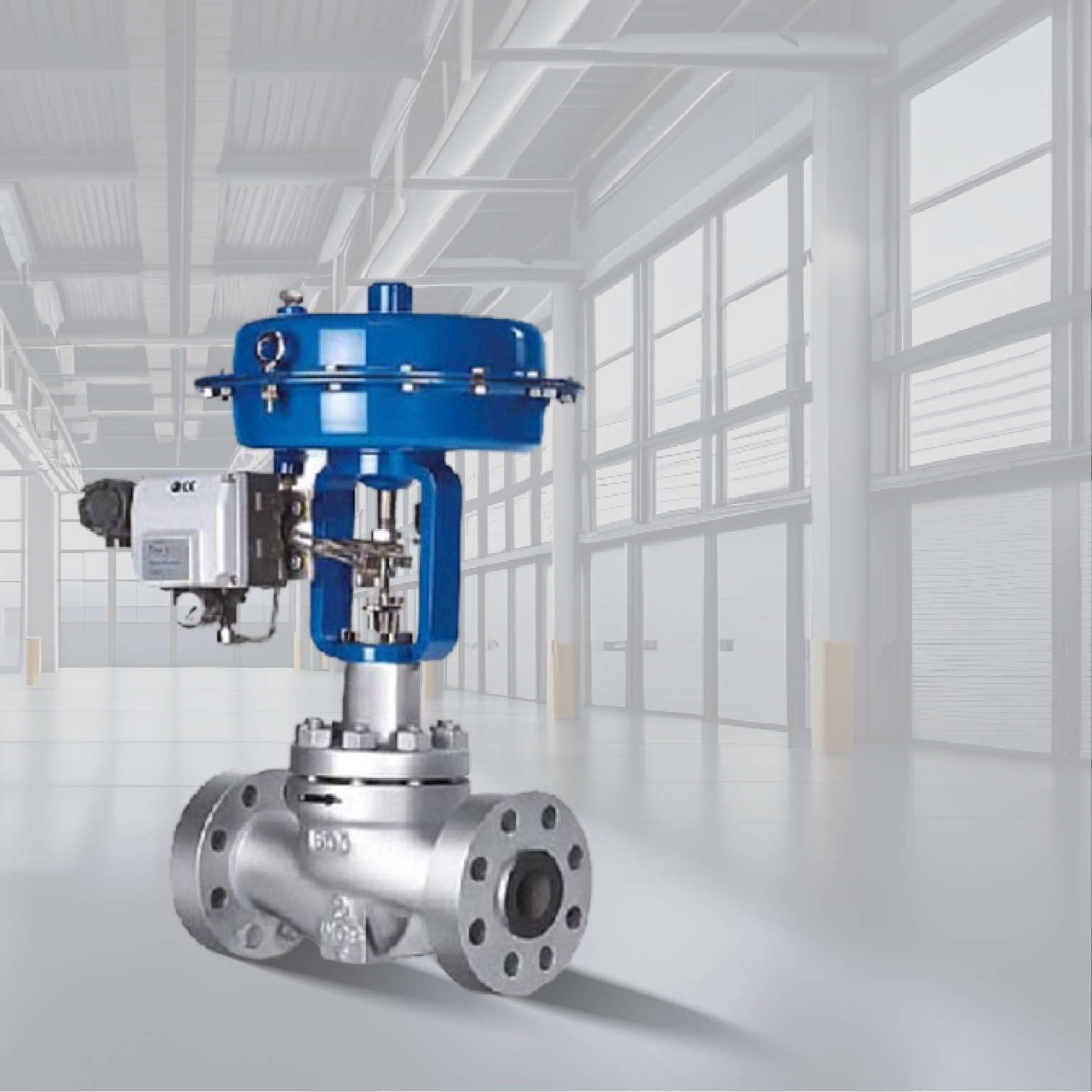
Diaphragm Control Valve Troubleshooting Guide for Operators
Diaphragm control valves are essential components in many industrial processes, offering reliable fluid handling particularly where hygiene, corrosion resistance, or precise control are paramount. As an operator, facing unexpected issues with these valves can disrupt operations. This comprehensive troubleshooting guide is designed to equip you with the knowledge to identify, diagnose, and resolve common diaphragm control valve problems, ensuring your plant runs smoothly and efficiently.
Understanding Diaphragm Control Valves
Diaphragm control valves utilize a flexible diaphragm to regulate flow. The diaphragm is actuated by a stem, which moves a disc attached to its underside. This design provides excellent sealing capabilities and isolates the process fluid from the working parts of the valve, making them ideal for sensitive applications. They are widely employed across industries such as Pharmaceutical, Water Treatment, Food and Beverage, Chemical processing, and power generation.
Common issues can arise from diaphragm wear, actuator problems, or stem mechanism failures. Proactive troubleshooting by operators is key to preventing costly downtime and maintaining process integrity.
Common Diaphragm Control Valve Issues for Operators
Operators frequently encounter several recurring problems. Recognizing these early symptoms is the first step toward effective resolution:
- Diaphragm Rupture: A tear or hole in the diaphragm can lead to process fluid leaking into the actuator or audible air leakage.
- Failure to Operate (Open/Close): The valve may not respond to control signals, failing to open or close fully as required.
- Stiff Handwheel Operation: Manual override handwheels can become difficult to turn, indicating potential binding or actuator issues.
- Leakage Between Body and Bonnet: Process fluid or actuator pressure escaping from the seal between the valve body and bonnet.
- Incomplete Valve Travel: The valve disc not reaching its full open or closed position, affecting flow control.
- Poor Sealing / Tight Shutoff Failure: The valve failing to stop flow completely when in the closed position.
Diaphragm Control Valve Troubleshooting Steps
When a diaphragm control valve isn't performing as expected, a systematic approach is essential. Here are key troubleshooting steps for operators:
1. Audible and Visual Inspection
Begin with a thorough external check:
- Listen for leaks: Any hissing sounds could indicate diaphragm failure or bonnet seal leaks.
- Check for visible leaks: Observe the bonnet area, actuator body, and piping connections for any signs of fluid or air escaping.
- Actuator response: Does the actuator move when a control signal is applied? Note any sluggishness or lack of movement.
2. Diaphragm Failure Diagnosis
Diaphragm issues are common and often indicated by:
- Audible air leakage from the actuator: This is a strong sign of diaphragm rupture.
- Spikes in air consumption: The control system may be compensating for a leak.
- Incomplete valve travel: A damaged diaphragm can restrict the disc's movement.
If diaphragm failure is suspected, the diaphragm will likely need replacement. Ensure the new diaphragm is compatible with the process fluid and operating conditions.
3. Operational Failure Analysis
If the valve fails to operate, consider these causes:
- Diaphragm and Disc Separation: The diaphragm may have detached from the disc or stem.
- Worn or Damaged Disc/Stem: Components can wear down over time, preventing proper movement or sealing.
- Jammed Stem Mechanism: Debris or corrosion in the stem and actuator guides can cause the mechanism to jam.
- Actuator Issues: Problems with the pneumatic or electric actuator itself (e.g., loss of air supply, faulty signal, motor failure).
Investigate the actuator's input signals and power source first. If these are correct, the issue likely lies within the valve's internal components. A thorough inspection after safe disassembly is necessary.
4. Addressing Leakage Issues
Leaks between the body and bonnet often stem from:
- Loose Bolts/Nuts: Fasteners securing the bonnet may have vibrated loose.
- Worn Seals: The gasket or O-ring sealing the bonnet may be degraded.
- Excessive Fluid Pressure: Pressure exceeding the valve's rating can stress seals.
- Damaged Diaphragm: In some designs, a compromised diaphragm can affect bonnet sealing.
Tightening fasteners can sometimes resolve minor leaks, but a worn seal or damaged diaphragm requires component replacement.
5. Ensuring Proper Sealing
A diaphragm valve not sealing properly means it's not achieving tight shutoff. Indicators include:
- Visual fluid leakage: Dripping from the outlet when the valve is commanded closed.
- Failure to hold pressure: During hydrostatic or pneumatic testing.
- Process fluid bypassing: Unwanted flow reaching downstream equipment.
This can be caused by debris trapped under the diaphragm/disc assembly, a damaged diaphragm, or a worn valve disc/stem. Clearing obstructions and inspecting internal components for wear are critical steps.
Preventive Maintenance for Diaphragm Valves
Regular preventive maintenance is far more effective than reactive troubleshooting. Operators and maintenance teams should focus on:
- Regular Inspection: Periodically check for leaks, unusual noises, and proper actuator response.
- Diaphragm Replacement: Replace diaphragms based on service cycles, manufacturer recommendations, or signs of wear, ensuring material compatibility.
- Fastener Checks: Verify that all bolts and nuts are properly torqued to prevent leaks.
- Stem Lubrication: Ensure the valve stem operates smoothly and is properly lubricated if required by the design.
- Material Compatibility: Confirm that valve materials are compatible with the process chemicals to prevent premature degradation.
Understanding the operating temperature ranges is also vital. For instance, rubber diaphragms are typically suited for -10°C to 60°C, while fluoropolymer diaphragms can handle a wider range from -20°C to 150°C.
Operator Buyer Insight: Beyond the Obvious
As an operator, always consider the upstream and downstream processes. An issue seemingly with the diaphragm valve might be caused by pressure surges from another part of the system or changes in fluid properties. Documenting observations meticulously – including pressures, temperatures, flow rates, and control signal values at the time of the issue – provides invaluable data for effective troubleshooting and can help prevent recurrence.
Applications and Benefits in Key Industries
Trident Flow Controls’ diaphragm control valves are engineered for demanding environments across a spectrum of industries, providing reliable performance and operational efficiency. Their design lends itself to applications where cleanliness, safety, and precise control are paramount.
Buyer Selection Guide: Choosing the Right Diaphragm Control Valve
Selecting the appropriate diaphragm control valve is critical for long-term performance and operational success. Consider these factors:
Key Features and Benefits to Look For:
- Material Compatibility: Ensure diaphragm and body materials are resistant to your process fluids and operating temperatures.
- Actuation Type: Choose between pneumatic, electric, or manual actuators based on control system requirements and available utilities.
- Connection Type: Flanged, threaded, or specialized connections must match your piping system.
- Flow Characteristics: Select a valve with appropriate flow coefficients (Cv) and control characteristics (e.g., linear, equal percentage) for your application.
- Sealing Performance: Look for designs that guarantee tight shutoff to prevent process leakage and product loss.
- Maintenance Accessibility: Consider how easily the valve can be serviced, especially diaphragm replacement.
Quality Checks Before Purchase:
- Manufacturer Reputation: Partner with established manufacturers known for quality and reliability.
- Compliance Standards: Ensure the valve meets relevant industry standards for your sector.
- Serviceability: Availability of spare parts and technical support is crucial for long-term operation.
Questions to Ask Before Buying:
- What is the expected lifespan of the diaphragm under my operating conditions?
- What are the recommended maintenance intervals for this valve model?
- Can the actuator be easily integrated with my existing control system?
- What are the recommended procedures for handling and installing the valve?
- What troubleshooting support is available from the manufacturer?
Engaging with a knowledgeable supplier like Trident Flow Controls can help you navigate these considerations and secure a valve solution that meets your specific operational needs.
Trident Flow Controls: Your Partner in Flow Control Solutions
At Trident Flow Controls, we understand the critical role reliable diaphragm control valves play in your operations. We serve diverse industries, including the Oil Sector, AHU HVAC SYSTEMS, CHEMICALS, DYES & PIGMENTS, OIL AND GAS, PHARMACEUTICAL AND PROCESS OEM, REFRIGERATION COMPRESSOR AND CHILLING INDUSTRY, WATER & TREATMENT PLANTS, and the Defence Sector. Our commitment extends beyond just supplying valves; we offer comprehensive support through Project Engineering, Turnkey Projects Execution, Machine Automation Design, Plant Automation Design, and dedicated Professional Team support, including Onsite Commissioning & Start-up.
We leverage our expertise to provide robust diaphragm control valves designed for durability and precision. Our team is ready to assist you in selecting the optimal valve and provide the engineering support necessary to ensure seamless integration and reliable performance in your unique applications.
Frequently Asked Questions (FAQ)
What is the most common cause of diaphragm valve failure?
The most common cause of diaphragm valve failure is diaphragm rupture due to material fatigue, chemical attack, or over-pressurization. This often manifests as audible air leaks or process fluid escaping.
How can I tell if my diaphragm valve needs maintenance?
Signs that your diaphragm valve needs maintenance include unusual noises (hissing, rattling), visible leaks, difficulty in manual operation, inconsistent flow control, or failure to achieve tight shutoff.
Can I replace the diaphragm myself?
While some basic maintenance can be performed by trained operators, replacing a diaphragm often requires specific tools and knowledge to ensure a proper seal and prevent damage. It is recommended to follow manufacturer guidelines or consult with a qualified service technician.
What happens if the diaphragm ruptures?
If a diaphragm ruptures, process fluid can enter the actuator chamber, potentially causing damage to the actuator. For pressurized actuator systems, rupture will lead to a loss of control pressure and leakage. For unpressurized systems, process fluid may leak externally.
How do I choose the right diaphragm material?
Diaphragm material selection depends heavily on the chemical compatibility with the process fluid, the operating temperature, and pressure requirements. Consulting a material compatibility chart or a valve supplier is essential.
Optimize Your Process with Reliable Diaphragm Control Valves
Don't let valve issues disrupt your critical operations. Trident Flow Controls offers expert solutions and dedicated support for diaphragm control valves across a wide array of industrial applications. Leverage our engineering capabilities and product quality to enhance your process efficiency and reliability.
Explore Trident Flow Controls Solutions