
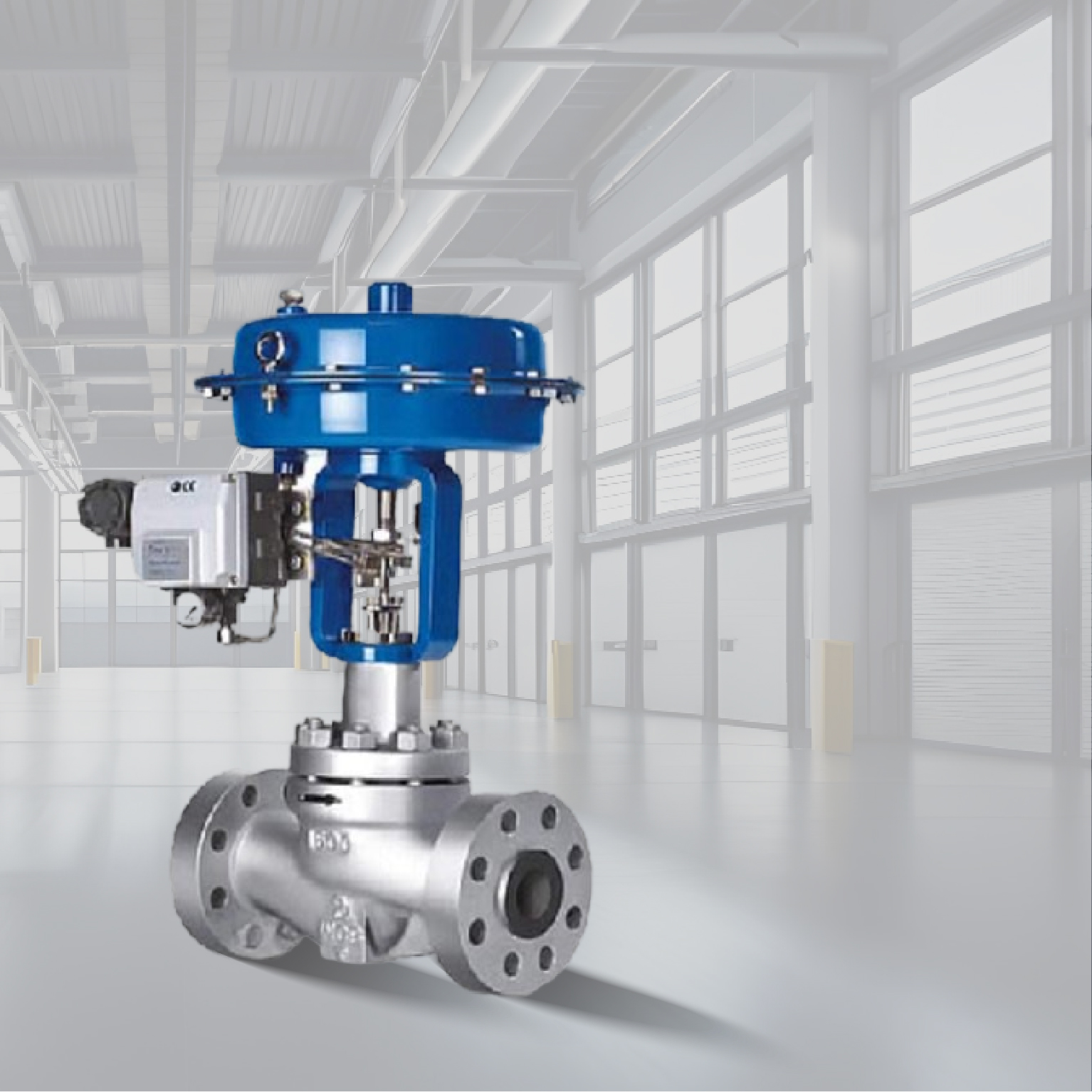
Industrial Diaphragm Valve for Clean Flow Modulation
In the complex world of industrial processes, maintaining precise and clean fluid control is paramount. Industrial diaphragm valves stand out as exceptional solutions for modulating flow, especially when purity, reliability, and resistance to harsh media are non-negotiable. Trident Flow Controls provides advanced diaphragm valve solutions designed to meet the stringent demands of industries ranging from pharmaceuticals and water treatment to oil and gas and chemical processing. This guide explores the critical role of these valves in achieving clean flow modulation and offers insights into selecting the right valve for your specific application.
Understanding Industrial Diaphragm Valves
Industrial diaphragm valves are sophisticated flow control devices engineered to regulate, isolate, or throttle the movement of fluids within industrial systems. Their distinctive design features a flexible diaphragm that acts as a barrier, creating a seal against a valve seat. This unique mechanism offers several advantages over traditional valve types, particularly in applications where fluid integrity is crucial.
The core benefit lies in the diaphragm's ability to isolate the process fluid from the valve's internal working components, such as the stem and actuator. This isolation is key to preventing contamination of the fluid and protecting the valve's mechanism from corrosive, abrasive, or otherwise aggressive media. Consequently, diaphragm valves are highly favored in industries requiring exceptional cleanliness, including pharmaceuticals, food and beverage production, and water treatment facilities.
Furthermore, the design inherently minimizes potential leakage points and eliminates dead zones within the valve body, which is vital for smooth flow and preventing clogging, especially when handling slurries, viscous fluids, or semi-solids. This makes them exceptionally versatile for managing a wide array of media types, including liquids, gases, and particulate-laden substances.
Key Types and Their Modulation Capabilities
Diaphragm valves are broadly categorized into two main types, each offering distinct flow modulation characteristics:
Weir-Type Diaphragm Valves
These valves feature a raised saddle or 'weir' within the valve body. As the diaphragm is pressed down towards this weir, it progressively restricts the flow path. This design is particularly well-suited for throttling applications, allowing for fine-tuned control over fluid velocity and volume. The weir design provides a larger surface area for the diaphragm to seal against, enhancing shut-off capabilities.
Straight-Through (Full-Bore) Diaphragm Valves
In contrast, straight-through or full-bore diaphragm valves offer a simplified, unobstructed flow path. The diaphragm lifts completely clear of the flow when fully open, resulting in minimal pressure drop and maximum flow capacity. While excellent for handling viscous fluids, slurries, and minimizing flow resistance, their throttling capabilities are generally less precise than weir-type valves, though still effective for isolation and on/off service.
Diverse Applications for Clean Flow Modulation
The inherent advantages of diaphragm valves make them indispensable across a multitude of industries. Trident Flow Controls supplies diaphragm valves that are crucial for applications demanding precision, purity, and robust performance:
- Water & Wastewater Treatment: Ideal for chemical dosing (e.g., chlorine, pH adjusters), managing treated water, and handling sludge, ensuring system integrity and preventing contamination.
- Chemical Processing: Essential for safely handling corrosive acids, caustics, solvents, and aggressive brines. Their leak-proof design and material compatibility are critical for safety and environmental protection.
- Pharmaceutical & Biotechnology: Their hygienic design, minimal entrapment zones, and easy-to-clean surfaces make them perfect for sterile processing, preventing cross-contamination in the production of medicines and biotech products.
- Oil and Gas: Used in various upstream, midstream, and downstream applications, including process control, sample points, and handling corrosive or abrasive fluids where reliable shut-off is essential.
- HVAC Systems: Suitable for controlling water flow in air handling units (AHUs) and other heating, ventilation, and air conditioning applications, particularly where water quality or precise temperature control is needed.
- Dyes & Pigments: Handles viscous and potentially corrosive slurries and liquids common in pigment and dye manufacturing, maintaining product consistency and preventing equipment damage.
- Defense Sector: Applications requiring high reliability and resistance to specific media, often in specialized fluid handling systems.
Key Benefits of Using Diaphragm Valves
Implementing industrial diaphragm valves offers significant advantages for process efficiency, safety, and product quality:
Superior Sealing & Leak Prevention
The flexible diaphragm creates a robust seal, minimizing fugitive emissions and preventing process fluid loss, crucial for safety and environmental compliance.
High Corrosion Resistance
With the process fluid isolated from valve internals, diaphragm valves can be constructed from materials resistant to a wide range of corrosive chemicals, extending service life.
Clean Operation & Contamination Control
The isolated fluid path and minimal dead zones significantly reduce the risk of product contamination, making them ideal for hygienic and sanitary applications.
Simple & Low-Maintenance Design
Fewer moving parts compared to other valve types often translate to simpler operation, reduced wear, and lower maintenance requirements over time.
? Versatile Media Handling
Effective for liquids, gases, abrasive slurries, viscous fluids, and solids, thanks to their smooth internal design that minimizes obstruction.
Choosing the Right Industrial Diaphragm Valve
Selecting the appropriate industrial diaphragm valve is critical for optimal performance and longevity. Consider the following factors:
Media Characteristics
Identify the fluid's properties: corrosiveness, abrasiveness, viscosity, temperature, and whether it contains solids. This dictates material compatibility and valve type (weir vs. straight-through).
Required Control Precision
For fine throttling and precise modulation, weir-type valves are generally preferred. For on/off service or handling difficult media with minimal resistance, straight-through designs may be more suitable.
Pressure and Temperature Ratings
Ensure the valve’s specifications meet or exceed the maximum operating pressure and temperature of your system to guarantee safe and reliable operation.
Hygiene and Purity Requirements
For pharmaceutical, food, or high-purity water applications, select valves designed with sanitary standards, smooth finishes, and minimal crevices to prevent contamination.
Actuation Method
Consider whether manual, pneumatic, electric, or hydraulic actuation is required based on your process control needs and automation strategy.
Connection Type
Ensure the valve's end connections (e.g., flanged, threaded, sanitary clamp) are compatible with your existing piping system.
Buyer Insight:
When dealing with critical or sensitive fluids, always consult with valve manufacturers or experienced engineers. Understanding the subtle differences between valve designs and material options can prevent costly mistakes and ensure process integrity.
Trident Flow Controls: Your Partner in Flow Modulation
Trident Flow Controls understands the critical nature of precise and clean fluid management. We offer a range of Diaphragm Control Valves engineered for reliability and performance across diverse industrial sectors. Our expertise extends to serving industries such as the Oil Sector, AHU HVAC SYSTEMS, CHEMICALS, DYES & PIGMENTS, OIL AND GAS, PHARMACEUTICAL AND PROCESS OEM, REFRIGERATION COMPRESSOR AND CHILLING INDUSTRY, WATER & TREATMENT PLANTS, and the Defense Sector.
Beyond providing high-quality valves, Trident Flow Controls supports your projects with comprehensive services including Project Engineering, Turnkey Projects Execution, Machine Automation Design, Plant Automation Design, and Onsite Commissioning & Start-up. We are committed to delivering integrated solutions that enhance the efficiency, safety, and cleanliness of your fluid control processes.
Our Integrated Services:
- Project Engineering
- Turnkey Projects Execution
- Machine Automation Design
- Plant Automation Design
- Onsite Commissioning & Start-up
Frequently Asked Questions
What makes diaphragm valves ideal for clean flow modulation?
Diaphragm valves are ideal due to their design that isolates the fluid from the valve's internal mechanism, preventing contamination and leakage. The smooth flow path and minimal dead zones further contribute to maintaining fluid purity and preventing clogging, essential for clean modulation.
Can diaphragm valves handle corrosive chemicals?
Yes, diaphragm valves are highly resistant to corrosion. By selecting appropriate diaphragm and valve body materials, they can effectively handle a wide range of aggressive chemicals commonly found in the chemical processing industry.
What is the difference between weir-type and straight-through diaphragm valves?
Weir-type valves use a raised seat (weir) for precise throttling control, while straight-through (full-bore) valves offer a more open, unobstructed flow path with minimal resistance, better suited for slurries and high-flow applications.
Which industries commonly benefit from diaphragm valve technology?
Industries that highly benefit include pharmaceuticals, water treatment, chemical processing, food and beverage, oil and gas, and HVAC systems, all of which demand reliable, clean, and precise fluid control.
Achieve Precision and Purity in Your Flow Control
Ready to enhance your industrial processes with reliable and clean flow modulation? Trident Flow Controls offers expert solutions and comprehensive services to meet your specific needs. Contact us today to discuss your application and discover how our Diaphragm Control Valves can optimize your operations.
Request a Consultation