
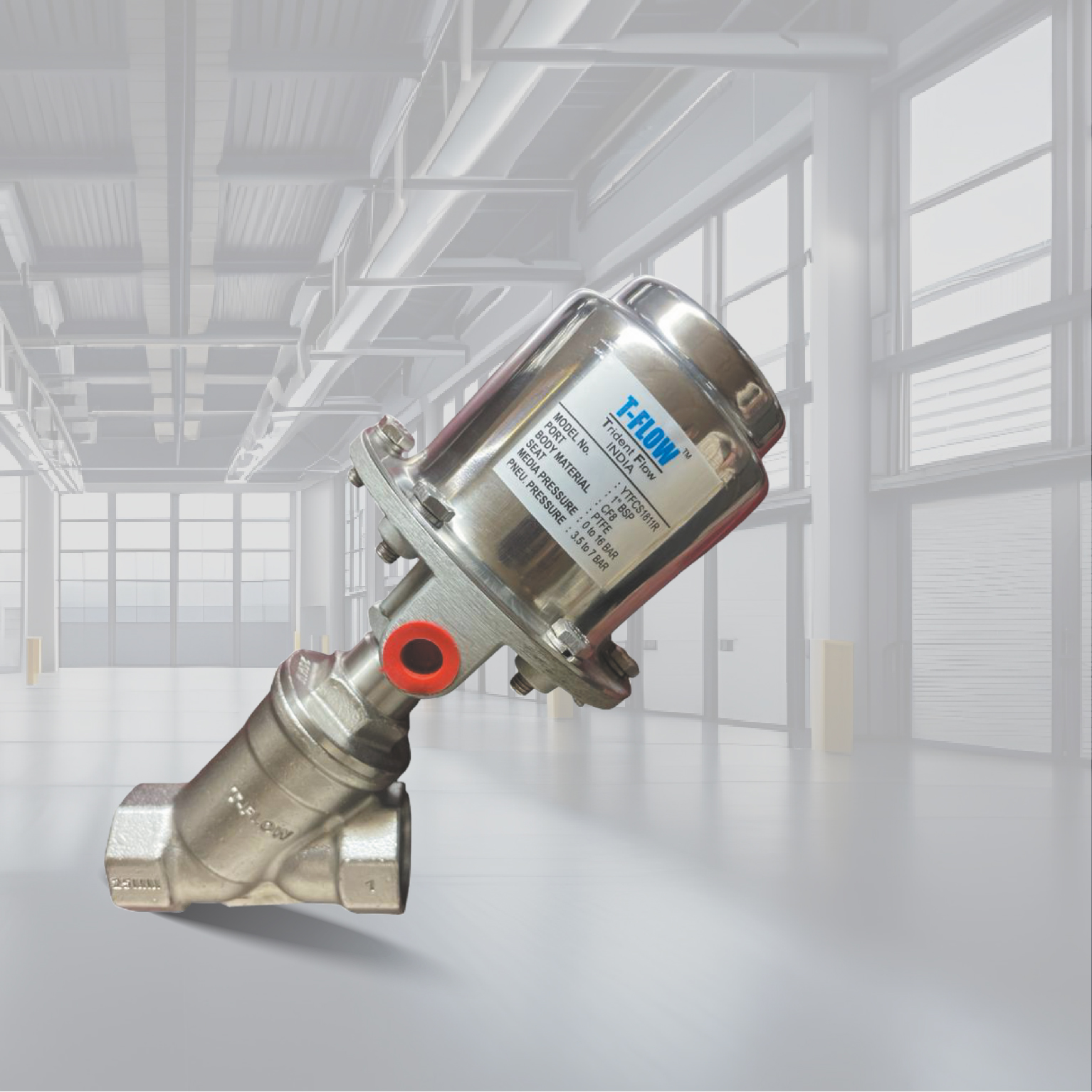
Screwed F10 Ball Float Valve for Cooling Tower Tanks
Maintaining the correct water level in cooling tower tanks is paramount for efficient operation and preventing system damage. The Screwed F10 Ball Float Valve, offered by Trident Flow Controls, is an indispensable mechanical device designed for precise and automatic water inflow control. This valve ensures that water levels remain within optimal parameters, safeguarding against both overflow and critically low levels that can lead to operational inefficiencies or equipment malfunction.
This comprehensive guide delves into the intricacies of the Screwed F10 Ball Float Valve, exploring its fundamental principles, diverse applications, significant advantages, and the crucial factors to consider when selecting the right valve for your cooling tower tanks. We will also highlight why Trident Flow Controls is a trusted provider of robust fluid control solutions.
Understanding the Screwed F10 Ball Float Valve
At its core, a ball float valve operates on a simple yet effective principle of buoyancy and leverage. The Screwed F10 Ball Float Valve from Trident Flow Controls utilizes a buoyant ball attached to a lever arm. As the water level in the tank changes, the ball moves accordingly:
- Water Level Drops: When the water level falls below a predetermined point, the ball also drops. This movement pivots the lever arm, opening the valve and allowing fresh water to enter the tank.
- Water Level Rises: As the water fills the tank and the ball rises with the water's surface, it eventually reaches a position that causes the lever arm to pivot in the opposite direction. This closes the valve, halting the inflow of water and preventing overflow.
The "F10" designation typically refers to a specific model or series known for its reliability and performance, while "Screwed" indicates the method of installation, connecting directly into a threaded pipe fitting. This screwed design offers a straightforward and secure method for integrating the valve into existing plumbing systems, common in many industrial settings.
Critical Applications in Cooling Tower Tanks
Cooling towers are vital in numerous industries for dissipating heat, and their efficient operation is heavily dependent on consistent water levels. The Screwed F10 Ball Float Valve plays a crucial role in:
- Maintaining Optimal Water Volume: Ensures the cooling tower basin always has sufficient water for the heat exchange process, preventing the cooling system from operating with inadequate water.
- Preventing Overflow: Automatically shuts off water supply when the tank is full, avoiding water wastage and potential flooding or damage to surrounding areas.
- Avoiding Pump Cavitation: Low water levels can cause pumps to draw air, leading to cavitation, reduced efficiency, and potential pump damage. The float valve ensures a minimum water level is maintained.
- Automated Water Makeup: Provides a hands-off approach to replenishing water lost through evaporation, blowdown, and drift, reducing the need for constant manual monitoring.
- Process Stability: Consistent water levels contribute to stable operating temperatures and overall process reliability in industries such as HVAC, manufacturing, and power generation.
Beyond cooling towers, these types of ball float valves are essential in various other industrial water systems, storage tanks, and general fluid management applications where automatic level control is required.
Key Benefits of Using the F10 Ball Float Valve
Implementing a Screwed F10 Ball Float Valve offers a multitude of advantages for managing water levels in cooling tower tanks:
Reliable Automation
Provides consistent, automatic water level control without the need for manual intervention.
Simple Operation
Its mechanical nature ensures straightforward functionality and ease of understanding.
Low Maintenance
Requires minimal upkeep, typically involving occasional checks for debris or wear, reducing operational downtime and costs.
Cost-Effective Solution
Offers a practical and economical method for managing water levels, especially in applications prioritizing budget-friendliness and ease of replacement.
Secure Installation
The screwed connection ensures a robust and leak-resistant fitting into the tank's water supply line.
Selecting the Right Ball Float Valve for Your Needs
Choosing the appropriate ball float valve is crucial for optimal performance and longevity. Consider the following factors when making your selection:
Essential Considerations:
- Tank Size and Water Volume: Ensure the valve's flow rate capacity is suitable for the size of your cooling tower tank and the rate at which water is lost. Trident Flow Controls offers valves in sizes ranging from 15mm to 50mm, catering to a variety of tank requirements.
- Operating Pressure and Temperature: While not detailed here, it's important to ensure the valve is rated for the specific pressure and temperature conditions within your cooling system.
- Fluid Compatibility: For cooling towers, water is standard. However, if the valve is considered for other applications with different fluids, material compatibility is key. Brass and stainless steel are common for water, while plastics or specific alloys might be needed for corrosive substances.
- Installation Method: The Screwed F10 offers easy integration into threaded systems. Ensure your existing infrastructure supports this connection type.
- Durability and Material: Look for valves constructed from materials that offer corrosion resistance and longevity in the specific environment of your cooling tower.
Buyer Insight: Traditional ball float valves, like the F10 series, are often the most practical and cost-effective choice for small to medium-sized cooling towers. Their simplicity means fewer potential points of failure, and their straightforward design makes them easy to maintain or replace if ever necessary.
Questions to Ask Before Purchasing:
To ensure you are making an informed decision, consider asking:
What is the maximum flow rate of this valve?
Understanding the flow rate helps determine if the valve can replenish water loss at a sufficient pace for your cooling tower's demands.
What materials is the valve constructed from?
Material dictates durability, corrosion resistance, and suitability for specific operating conditions.
What is the pressure rating for this valve?
Ensuring the valve can withstand your system's operating pressure is critical for safety and reliability.
What is the operating range for the float mechanism?
This determines the difference between the low and high water levels the valve will manage.
Trident Flow Controls: Your Partner in Fluid Management
Trident Flow Controls, also known as T-FLOW, is an established Indian company dedicated to providing high-quality fluid control solutions. Specializing in a range of industrial valves, they offer robust options like the Screwed F10 Ball Float Valve, designed to meet the demanding requirements of various sectors. Their commitment to providing reliable valves ensures that industries such as Oil Sector, AHU HVAC SYSTEMS, CHEMICALS, Water & Treatment Plants, and the Defence Sector can maintain efficient and stable operations.
With valves available in both screwed and flanged types, and a comprehensive size range from 15mm to 50mm for their ball float valves, Trident Flow Controls demonstrates a capacity to cater to diverse application needs. Their focus on practical, mechanical solutions like the F10 Ball Float Valve underscores their understanding of the need for dependable and low-maintenance equipment in critical industrial processes.
Frequently Asked Questions
How does a ball float valve work in a cooling tower tank?
In a cooling tower tank, the ball float valve automatically adjusts water inflow. As water evaporates or is used, the float drops, opening the valve to refill the tank. When the desired water level is reached, the float rises, closing the valve to prevent overflow.
What are the main advantages of the Screwed F10 Ball Float Valve?
The Screwed F10 Ball Float Valve offers simple, reliable automatic water level control with low maintenance requirements and a cost-effective installation due to its screwed design.
Are these valves suitable for corrosive fluids?
While standard ball float valves are designed for water, material compatibility is key for other fluids. Trident Flow Controls can advise on valve materials suitable for different media, though stainless steel or specialized plastics are typically used for corrosive applications.
How often should a ball float valve be inspected?
Regular inspections, perhaps annually or semi-annually depending on operating conditions, are recommended to check for wear, debris, or corrosion that could affect performance.
Ensure Optimal Cooling Tower Performance Today
Don't let inconsistent water levels compromise your cooling tower's efficiency and longevity. The Screwed F10 Ball Float Valve from Trident Flow Controls provides a dependable, automated solution for maintaining precise water management. Reach out to Trident Flow Controls to discuss your specific cooling tower tank requirements and discover how their high-quality valves can benefit your operations.
Contact Trident Flow Controls Now