
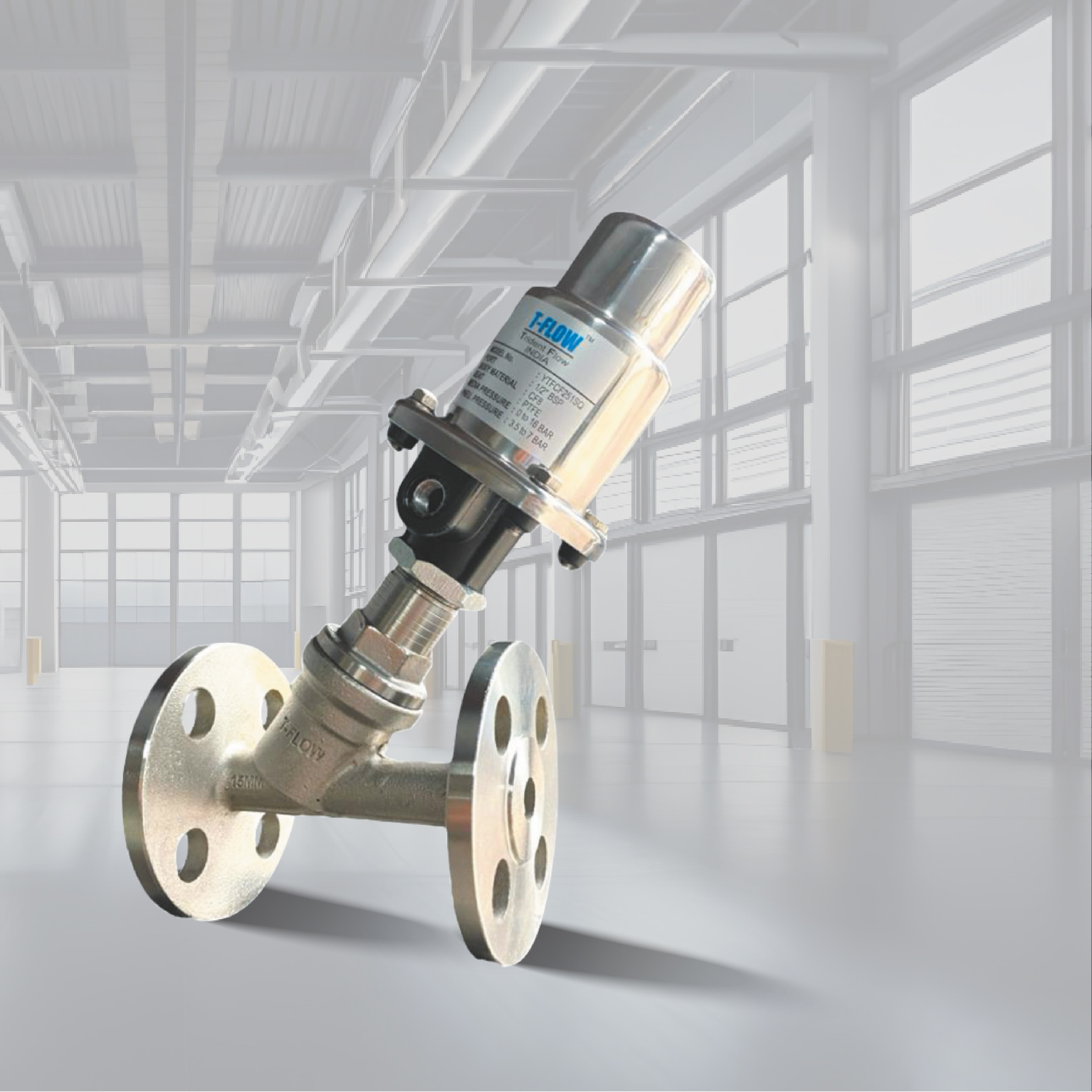
Flanged Angle Seat Valve Selection Guide for Process Pipelines
In the intricate world of process pipelines, selecting the correct valve is paramount for operational efficiency, safety, and longevity. Flanged angle seat valves, with their unique design and robust connection method, offer a compelling solution for many demanding applications. This guide is designed to equip you with the knowledge needed to make informed decisions when choosing these vital components, ensuring optimal performance in your critical processes.
Understanding Flanged Angle Seat Valves
Flanged angle seat valves are a specialized type of industrial valve designed for precise flow control and isolation in pipeline systems. Their distinctive Y-shaped body, combined with a flanged end connection, provides a unique set of advantages.
The core of an angle seat valve's functionality lies in its angled seat design. This configuration allows for a direct, unobstructed flow path when the valve is open, significantly reducing pressure loss and minimizing turbulence. This smooth passage is particularly beneficial when handling viscous or particulate-laden fluids, as it reduces the likelihood of clogging. Common angles, such as 45 degrees, contribute to a more compact design and an efficient fluid pathway.
The flanged end connection is a critical differentiator. Unlike threaded or welded connections, flanges allow for the assembly and disassembly of pipeline components without the need for cutting or extensive pipework modification. This facilitates easier maintenance, inspection, and component replacement. Flanged connections are especially favored in larger pipe diameters and high-pressure applications due to their inherent strength, reliable sealing capabilities, and straightforward alignment during installation.
Buyer Insight: The combination of an efficient internal flow path and a robust, serviceable external connection makes flanged angle seat valves a strategic choice for systems where reliability and ease of maintenance are non-negotiable.
Key Applications in Process Pipelines
The versatility and robust design of flanged angle seat valves lend themselves to a wide array of critical applications across various industries:
Oil & Gas
Used in upstream, midstream, and downstream operations for controlling the flow of crude oil, natural gas, and refined products, especially in high-pressure environments.
Chemical Processing
Ideal for handling corrosive, viscous, or volatile chemicals, offering reliable on/off control and minimizing process interruptions.
Pharmaceutical & Bioprocessing
Essential for hygienic and sterile applications, managing the flow of sensitive liquids and intermediates where purity and precise control are vital.
Water Treatment
Employed in managing water flow, chemical dosing, and wastewater treatment processes, benefiting from their durability and resistance to various media.
HVAC Systems
Applied in large-scale industrial heating, ventilation, and air conditioning (HVAC) systems for controlling steam or chilled water flow.
General Industrial OEM
Utilized in a broad spectrum of original equipment manufacturing (OEM) applications requiring dependable fluid handling and process automation.
Key Benefits of Flanged Angle Seat Valves
Choosing flanged angle seat valves offers several distinct advantages that contribute to improved process performance and operational efficiency:
- High Flow Capacity & Low Pressure Drop: The direct, unobstructed flow path maximizes throughput and minimizes energy loss.
- Fast Actuation: Designed for quick and responsive opening and closing, crucial for safety and control applications.
- Reduced Clogging: The smooth, angled design is less prone to blockage, especially with fluids containing solids or high viscosity.
- Robust Sealing: The seat and disc mechanism, combined with the secure flanged connection, ensures a reliable seal against leakage.
- Ease of Maintenance: Flanged connections simplify removal and reinstallation for servicing, reducing downtime.
- Durability: Constructed to withstand demanding industrial conditions, including pressure and temperature variations.
Flanged Angle Seat Valve Buyer Selection Guide
Selecting the appropriate flanged angle seat valve involves careful consideration of several factors to ensure it meets the specific demands of your application:
1. Understanding Your Process Requirements
Before evaluating valve specifications, thoroughly understand the fluid characteristics and operating conditions:
- Flow Medium: Identify the fluid's composition, viscosity, presence of solids, corrosivity, and temperature.
- Pressure and Temperature: Determine the maximum and minimum operating pressures and temperatures the valve will encounter.
- Flow Rate: Define the required flow rate and whether continuous or intermittent operation is expected.
- Actuation Needs: Consider whether fail-safe operation (fail-open or fail-closed) is necessary.
2. Valve Body and Seat Considerations
The heart of the valve's performance lies in its construction:
- Body Material: Choose materials compatible with the process fluid and environmental conditions to prevent corrosion.
- Seat Material: The valve seat material is critical for sealing. Consider materials like PTFE or specialized elastomers for compatibility and wear resistance.
- Angle Design: While standard angles are common, the specific angle can influence flow characteristics and space requirements.
3. Flange Specifications
Ensure the flange connection meets industry standards and your pipeline specifications:
- Flange Standard: Verify compatibility with existing pipeline flanges (e.g., ANSI, DIN).
- Pressure Rating: The flange's pressure rating must match or exceed the pipeline's maximum operating pressure.
- Face Type: Ensure the flange face type (e.g., raised face, flat face) is appropriate for the gasket and sealing requirements.
4. Actuation Mechanism
While often pneumatic for angle seat valves, consider:
- Actuator Type: Pneumatic actuators are common for their speed and reliability. Ensure the actuator provides sufficient force for reliable sealing.
- Control Signal: Confirm compatibility with your control system (e.g., solenoid valve interface).
Key Buyer Checkpoints
Before finalizing your purchase, ask these critical questions:
- Does the valve's flow path design minimize potential for clogging with my specific process fluid?
- Are the body and seat materials fully compatible with the chemical and thermal stresses of my application?
- Do the flanged connections meet the required pressure ratings and dimensional standards for seamless integration?
- Is the actuation system reliable and responsive enough for my operational needs, including any safety requirements?
- What is the expected service life and maintenance interval for this valve in similar applications?
Trident Flow Controls: Your Partner in Fluid Control
At Trident Flow Controls, we understand the critical role that reliable valve solutions play in industrial processes. We offer a comprehensive range of high-quality pneumatic angle sheet valves, designed to meet the rigorous demands of industries such as oil & gas, chemicals, pharmaceuticals, water treatment, and general industrial manufacturing. Our expertise extends beyond just providing valves; we are equipped to support your projects with engineering services, turnkey solutions, and expert onsite commissioning. We are committed to delivering robust and efficient fluid control solutions tailored to your specific operational requirements.
Project Engineering
Turnkey Projects
Automation Design
Onsite Support
Frequently Asked Questions
What makes an angle seat valve different from a globe valve?
The primary difference lies in the flow path. Angle seat valves feature a more direct, Y-shaped flow path that minimizes pressure drop and turbulence, making them ideal for high flow rates and viscous fluids. Globe valves have a more convoluted path that offers better throttling capabilities but results in higher pressure loss.
Why are flanged connections preferred in certain industries?
Flanged connections offer robust sealing, are suitable for high-pressure and large-diameter pipelines, and importantly, allow for easier disassembly and maintenance compared to welded or threaded connections without requiring pipe cutting.
Can flanged angle seat valves be used for controlling flow, not just on/off?
While primarily used for on/off or quick shut-off applications due to their fast actuation, angle seat valves can offer some degree of flow control, especially when paired with appropriate actuators and control systems. However, valves specifically designed for throttling, like certain globe or ball valves, might be preferred for precise flow regulation.
What industries commonly use flanged angle seat valves?
Common industries include oil and gas, chemical processing, pharmaceutical manufacturing, water treatment, and large-scale HVAC systems, where reliable fluid handling under pressure and ease of maintenance are crucial.
Ensure Optimal Performance with the Right Valve Solution
Making the correct choice for your flanged angle seat valve is critical for the efficiency and safety of your process pipelines. Trident Flow Controls provides expert solutions and support to help you navigate these important decisions. Contact us today to discuss your specific application needs and discover how our high-quality valves and engineering services can benefit your operations.
Request a Consultation