
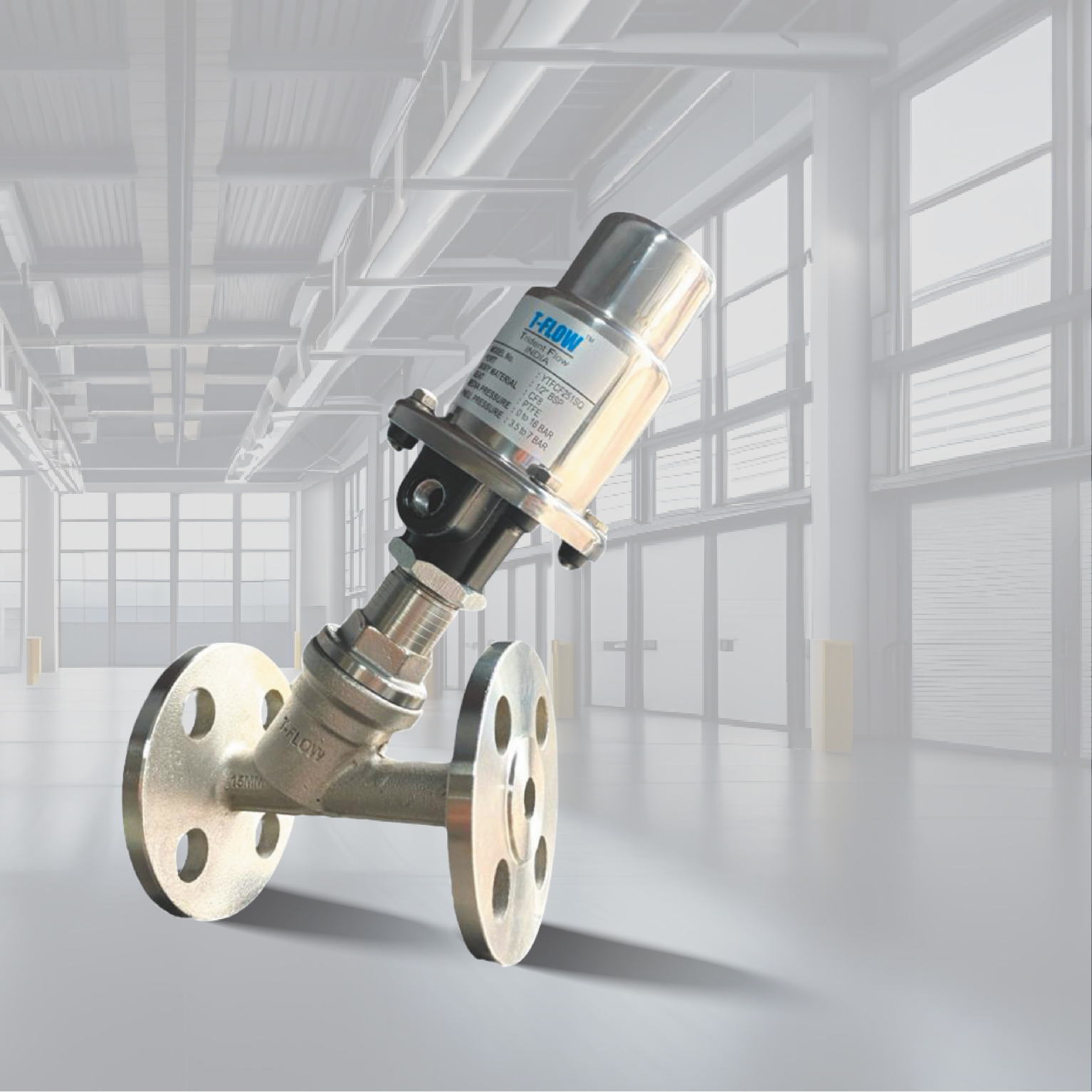
Flanged F10 Level Control Valve for Process Water Tanks
Maintaining precise water levels in industrial process tanks is paramount for operational efficiency, safety, and resource management. For applications involving process water tanks, a reliable and robust level control valve is indispensable. The Flanged F10 Level Control Valve, designed and manufactured by Trident Flow Controls, offers a dependable solution engineered to meet the demanding requirements of these critical systems.
This guide delves into the intricacies of the Flanged F10 Level Control Valve, exploring its fundamental role in process water management, its key features, the tangible benefits it delivers, and essential considerations for selecting the right valve for your specific operational needs. Understanding these aspects is crucial for any facility manager, engineer, or procurement specialist tasked with ensuring the smooth and uninterrupted operation of process water tanks.
Understanding the Role of a Level Control Valve
A level control valve is an automated device essential for regulating the fluid level within a tank or vessel. In the context of process water tanks, these valves function by sensing the current water level and automatically opening or closing to maintain a predetermined setpoint. This continuous adjustment prevents both overfilling and underfilling, which can lead to a cascade of operational problems.
Key functions include:
- Preventing Overflows: Uncontrolled filling can lead to water escaping the tank, causing potential damage, environmental hazards, and significant cleanup costs. A level control valve acts as a failsafe, shutting off inflow when the desired level is reached.
- Ensuring Consistent Supply: Many industrial processes rely on a stable supply of process water. An underfilled tank can disrupt operations, leading to production downtime and inefficiencies. The valve ensures that the water level remains within operational parameters.
- Automating Operations: By automating the regulation of water levels, these valves reduce the need for manual monitoring and intervention, freeing up personnel for other critical tasks and contributing to overall system efficiency.
The selection of the appropriate level control valve is dictated by factors such as the fluid type, operating pressures, temperature, tank design, and the required accuracy of level maintenance. For process water applications, the valve must be durable, corrosion-resistant, and capable of reliable operation under varying conditions.
Introducing the Flanged F10 Level Control Valve
Trident Flow Controls offers the Flanged F10 Level Control Valve, a product specifically engineered for the challenges of managing water levels in process water tanks. This valve is designed for straightforward integration into existing pipework systems, utilizing flanged connections for secure and robust attachment. Flanges provide a reliable method for connecting valves to pipes, allowing for ease of installation, maintenance, and potential disassembly when required.
The F10 model is built with industrial environments in mind, aiming to provide longevity and consistent performance. Its design focuses on addressing the core needs of process water management: reliability, efficiency, and ease of integration within automated systems.
Key Features and Practical Benefits
The effectiveness of a level control valve is determined by its design, materials, and operational characteristics. The Flanged F10 Level Control Valve by Trident Flow Controls incorporates several features aimed at delivering significant practical benefits to users:
Reliable Level Maintenance
The primary benefit is the consistent and automatic maintenance of desired water levels, crucial for uninterrupted industrial processes.
Secure Flanged Connections
Flanged connections ensure a strong, leak-proof seal with the pipeline, essential for high-pressure or critical applications and simplifying installation.
Robust Construction
Designed for industrial settings, the valve is built to withstand the rigors of process water environments, contributing to a long service life.
Operational Efficiency
By automating level control, the valve minimizes manual intervention, reducing labor costs and potential human error.
Overflow Prevention
Effectively prevents costly overflows, protecting equipment, infrastructure, and the environment from water damage and contamination.
Cost Savings
Contributes to water conservation by preventing waste through overflows, leading to reduced water utility costs.
Diverse Applications in Process Water Tanks
The Flanged F10 Level Control Valve is highly versatile and finds critical application across a multitude of industries where process water tanks are integral to operations. Its robust design and reliable performance make it suitable for environments ranging from manufacturing facilities to municipal treatment plants.
Common Application Areas:
- Manufacturing Plants: Used in cooling towers, process water circulation systems, and wash-down applications where maintaining specific water levels is crucial for machinery operation and product quality.
- Water and Wastewater Treatment Facilities: Essential for managing levels in settlement tanks, aeration basins, and chemical dosing reservoirs to ensure efficient treatment processes.
- Power Generation: Applied in boiler feed water systems and cooling water circuits where consistent water levels are vital for thermal efficiency and equipment longevity.
- Food and Beverage Industry: Utilized in ingredient mixing tanks, cleaning-in-place (CIP) systems, and general process water storage, ensuring hygiene and operational continuity.
- General Industrial Storage: Applicable to any industrial facility requiring reliable storage and management of significant volumes of process water.
Buyer's Selection Guide: Choosing the Right F10 Valve
Selecting the appropriate level control valve is a critical decision that impacts operational efficiency and safety. For the Flanged F10 Level Control Valve, consider the following factors to ensure optimal selection:
Essential Selection Criteria:
- Tank Configuration: Understand the dimensions and accessibility of your process water tank. The flanged connection needs to align with your existing or planned pipework.
- Operational Parameters: While specific ratings are not detailed here, always consider the typical and maximum water levels, flow rates, and any potential pressure fluctuations within the tank system.
- Fluid Characteristics: Confirm that the valve materials are compatible with the process water, considering any dissolved solids or chemical treatments that might be present.
- Control Requirements: Determine the desired accuracy of level control. The F10 valve is designed for reliable, automated management within standard industrial parameters.
- Installation and Maintenance Access: Ensure that there is adequate space around the tank for the installation of the flanged valve and for any future maintenance needs.
Buyer Insight:
When evaluating level control solutions, prioritize valves that offer robust construction and reliable sealing. Flanged connections, like those on the F10 model, are often preferred in industrial settings for their secure mounting and ease of service compared to other connection types.
Trident Flow Controls: Your Partner in Flow Management
Trident Flow Controls specializes in the design and manufacture of a comprehensive range of control valves, including advanced level control solutions. The company's focus on industrial applications, particularly within water and wastewater treatment sectors, positions them as a knowledgeable provider for critical flow control needs.
The Flanged F10 Level Control Valve for process water tanks exemplifies Trident Flow Controls' commitment to providing durable, efficient, and reliable valve technology. By understanding the unique challenges of process water management, Trident Flow Controls engineers solutions that contribute to the operational success and sustainability of industrial facilities.
Frequently Asked Questions
What is the primary function of the Flanged F10 Level Control Valve?
The primary function of the Flanged F10 Level Control Valve is to automatically regulate and maintain a desired water level within process water tanks, preventing overflows and ensuring a consistent supply.
Why are flanged connections important for this valve?
Flanged connections provide a secure, leak-proof, and removable joint when connecting the valve to the pipework. This is critical for industrial applications where reliability and ease of maintenance are essential.
In which industries can the F10 valve be used?
The Flanged F10 Level Control Valve is suitable for a wide range of industries including manufacturing, power generation, water and wastewater treatment, food and beverage, and any industrial setting utilizing process water tanks.
How does this valve contribute to operational efficiency?
By automating the level control process, the valve reduces the need for manual monitoring, minimizes errors, and ensures that processes dependent on a stable water level can operate without interruption.
What are the benefits of preventing overflows?
Preventing overflows saves water, reduces associated utility costs, avoids potential damage to equipment and facilities, minimizes environmental risks, and decreases cleanup expenses.
Ensure Optimal Process Water Management
Implementing reliable level control is fundamental to the efficient and safe operation of your process water tanks. The Flanged F10 Level Control Valve from Trident Flow Controls is engineered to deliver the performance and durability your operations demand.