
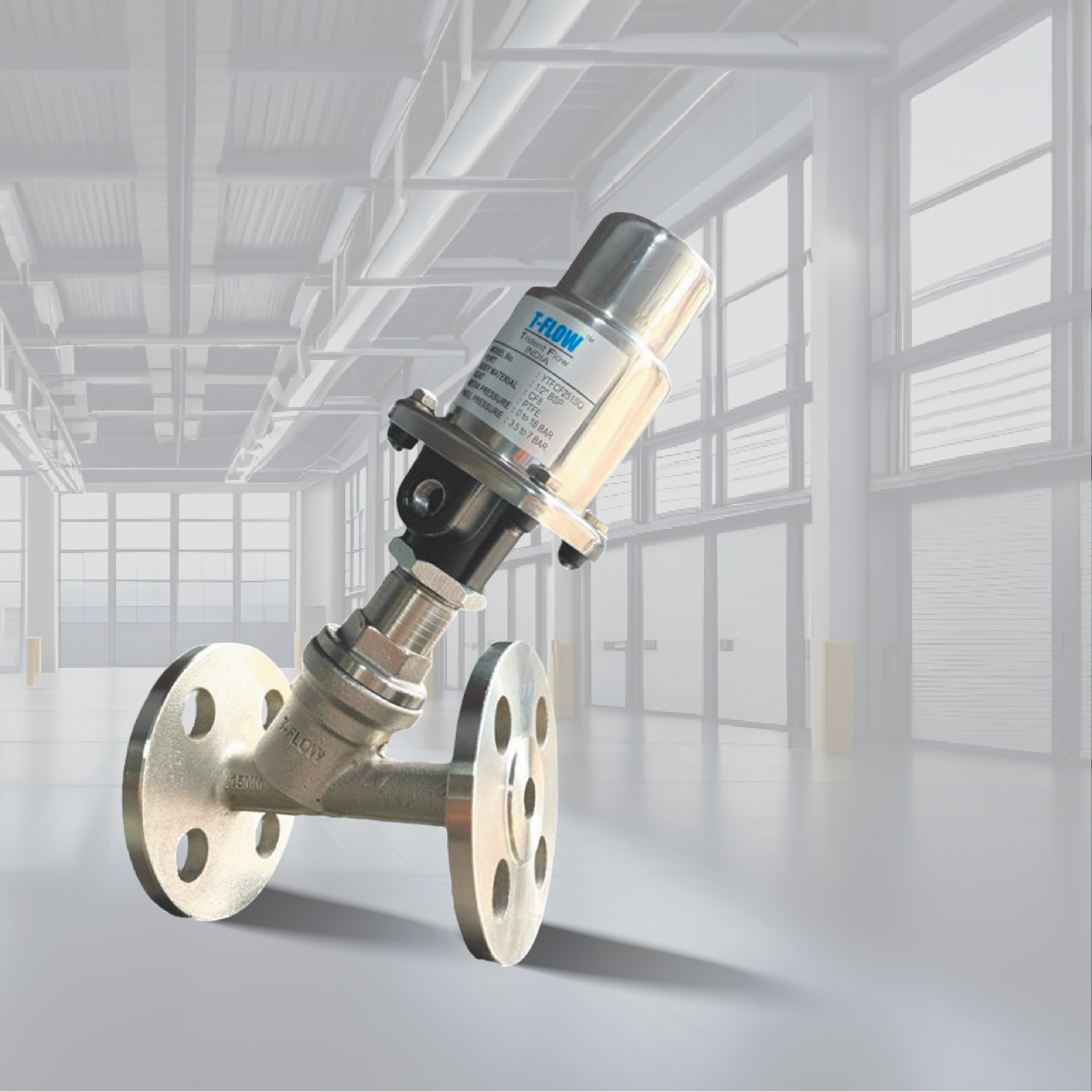
Flanged Pneumatic Angle Seat Valve Maintenance Tips for Plants
In the complex landscape of industrial plants, the reliability of every component is paramount. Flanged pneumatic angle seat valves, often working tirelessly in demanding applications, are no exception. Neglecting their upkeep can lead to unexpected downtime, reduced efficiency, and potential safety hazards. This guide offers essential maintenance tips specifically for plant operators to ensure these critical valves perform optimally, thereby safeguarding your operations and extending their service life.
Understanding Flanged Pneumatic Angle Seat Valves
Flanged pneumatic angle seat valves are engineered for robust performance in various industrial settings. Characterized by their flanged connections for secure installation and a pneumatic actuator for automated operation, these valves are crucial for controlling fluid or gas flow. Their design, featuring a seat and a plug guided by a stem, allows for quick and reliable actuation. The pneumatic actuator, powered by compressed air, enables automated opening and closing, integrating seamlessly into plant control systems. Regular maintenance is not just a recommendation; it's a necessity for stable operation, extended service life, and minimizing failure rates in demanding plant environments.
At Trident Flow Controls, we understand the critical role these valves play. Our commitment is to provide high-quality valve solutions, including specialized angle seat valves, designed to meet the rigorous demands of industrial applications. Proper maintenance, aligned with the capabilities of such robust designs, is key to unlocking their full potential.
Daily Maintenance: Vigilance is Key
Consistent daily checks are the first line of defense against potential issues. These routine inspections require minimal time but offer maximum impact in preventing minor problems from escalating.
- Visual Inspection: Regularly inspect the valve body for any signs of damage, corrosion, or leaks. Pay close attention to the flanged connections and the actuator.
- Fastener Check: Ensure all bolts and fasteners are securely tightened. Loose connections can lead to leaks and operational instability.
- Actuation Monitoring: Observe the valve's opening and closing actions. Listen for any unusual noises and ensure movements are smooth and consistent.
- Parameter Recording: If applicable, record key operating parameters such as working pressure and flow rate. This data can be invaluable for identifying gradual performance changes.
These daily habits build a foundation of awareness, helping plant personnel quickly identify deviations from normal operation.
Comprehensive Regular Maintenance Procedures
Beyond daily checks, a more thorough maintenance schedule is vital for long-term valve health. This involves cleaning, lubrication, and component inspection.
Buyer Insight: Installation for Maintenance
To facilitate easier maintenance, it is highly recommended to install shut-off valves both upstream and downstream of the angle seat valve. Including a bypass line can further enable continuous operation of the plant system during maintenance periods for the valve itself.
- Cleaning: Keep the exterior of the valve clean from dust, dirt, and chemical residues. For internal cleaning, consult the valve's manual; this may involve flushing or disassembly for severe contamination.
- Lubrication: Moving parts, such as the valve stem and any associated bearings, require proper lubrication. Use lubricants recommended for the specific operating conditions and materials to prevent wear and ensure smooth movement. For outdoor installations, adding a protective cover to the valve stem can prevent rust and corrosion.
- Seal and Component Inspection: Periodically inspect critical components like seals, O-rings, and the valve seat for signs of wear, aging, or damage. These parts are crucial for preventing leaks and ensuring proper valve function.
- Actuator Testing: Regularly test the pneumatic actuator to ensure it responds correctly to air pressure signals. Check for air leaks and ensure the actuator can achieve the full range of motion.
Troubleshooting Common Flanged Pneumatic Angle Seat Valve Issues
Even with diligent maintenance, issues can arise. Understanding common problems and their potential causes can expedite resolution and minimize downtime.
Valve Leakage
Causes: Aged or damaged seals, worn valve core or seat, loose flange bolts, body defects.
Solutions: Replace seals, repair or replace worn parts, tighten bolts, or consider valve body replacement if damaged.
Valve Sticking
Causes: Impurities in the medium, rust/corrosion, insufficient lubrication, deformed core or stem.
Solutions: Clean impurities, derust components, apply appropriate lubricant, replace deformed parts.
Pneumatic Actuator Faults
Causes: Low air pressure, faulty solenoid valve, damaged internal springs, air leaks due to seal damage.
Solutions: Check air supply pressure, inspect solenoid valve wiring and function, examine actuator springs, and check seals for leaks.
Applications and Benefits of Well-Maintained Valves
Flanged pneumatic angle seat valves are indispensable in numerous plant operations. Their efficient design and automation capabilities lend themselves to critical processes across various industries, including chemical processing, water treatment, power generation, and food and beverage manufacturing.
The benefits of maintaining these valves are substantial:
Enhanced Reliability
Regular maintenance significantly reduces the risk of unexpected failures, ensuring continuous plant operation.
Cost Savings
Preventive maintenance is far more cost-effective than emergency repairs and the associated downtime.
Improved Safety
Well-functioning valves prevent hazardous leaks and ensure process integrity, protecting personnel and the environment.
Optimized Efficiency
Consistent performance of angle seat valves contributes to the overall efficiency and productivity of plant processes.
Selecting the Right Flanged Pneumatic Angle Seat Valve
Choosing the appropriate valve is the first step towards ensuring long-term operational success. Consider these factors when selecting a flanged pneumatic angle seat valve:
Key Selection Criteria:
- Application Requirements: Understand the fluid type, temperature, pressure, and flow rate requirements.
- Body and Seal Materials: Select materials compatible with the process medium and operating conditions to prevent corrosion and ensure longevity.
- Actuator Type: Ensure the pneumatic actuator is appropriately sized for the required torque and speed, and compatible with the plant's air supply.
- Connection Type: Verify that the flanged connections meet relevant industry standards for secure and leak-free installation.
- Automation Integration: Consider how the valve will integrate with your existing control systems.
Trident Flow Controls offers a range of industrial valves, including angle seat valves, designed for demanding applications. Our expertise can assist you in identifying solutions that align with your specific plant needs.
Questions to Ask Before Buying:
- What are the long-term maintenance requirements for this valve model?
- Are spare parts readily available for critical components like seals and seats?
- Does the valve's design facilitate easy inspection and repair?
- What level of automation and control integration is supported?
- Can the valve withstand the specific environmental conditions of my plant?
By asking these questions and understanding your operational needs, you can make an informed decision and request a solution that provides maximum value and reliability.
Your Partner in Flow Control: Trident Flow Controls
At Trident Flow Controls, we specialize in designing, manufacturing, and supplying high-performance industrial valves, including robust flanged pneumatic angle seat valves built for demanding applications. Our comprehensive range of valve automation solutions, including pneumatic actuators, ensures that plants have access to the reliable components needed for efficient and safe operation. We are dedicated to providing quality products that meet the rigorous standards of industrial environments.
We understand that reliable valve performance is critical to your plant's success. By focusing on quality manufacturing and offering solutions designed for durability, Trident Flow Controls aims to be your trusted partner in managing your flow control systems effectively.
Frequently Asked Questions
How often should I visually inspect my flanged pneumatic angle seat valves?
Visual inspections should be performed daily as part of routine plant checks. Look for obvious signs of damage, corrosion, or leaks around the valve body and flanged connections.
What is the primary cause of valve leakage in angle seat valves?
Valve leakage is often caused by aged or damaged seals, wear on the valve core and seat, or loose flange bolts. Regular inspection and timely replacement of worn parts are crucial.
Can I use any lubricant for my pneumatic angle seat valve stem?
It's essential to use lubricants specifically recommended for the valve's materials and operating conditions. Consult the manufacturer's guidelines to ensure compatibility and effectiveness.
What are the signs of a failing pneumatic actuator?
Signs of a failing pneumatic actuator include slow operation, failure to fully open or close, unusual noises during actuation, or noticeable air leaks. These issues often stem from low air pressure, solenoid valve problems, or internal seal damage.
Why is installing shut-off valves and a bypass line recommended for angle seat valves?
Installing shut-off valves before and after the angle seat valve, along with a bypass, allows maintenance to be performed without completely shutting down the entire plant system, minimizing operational disruption.
Optimize Your Plant's Performance with Reliable Flow Control
Ensure the longevity and efficiency of your industrial processes by prioritizing the maintenance of your flanged pneumatic angle seat valves. For high-quality valves and expert solutions tailored to your plant's needs, partner with Trident Flow Controls. Explore our range of industrial valves and valve automation solutions today.
Discover Trident Flow Controls Solutions