
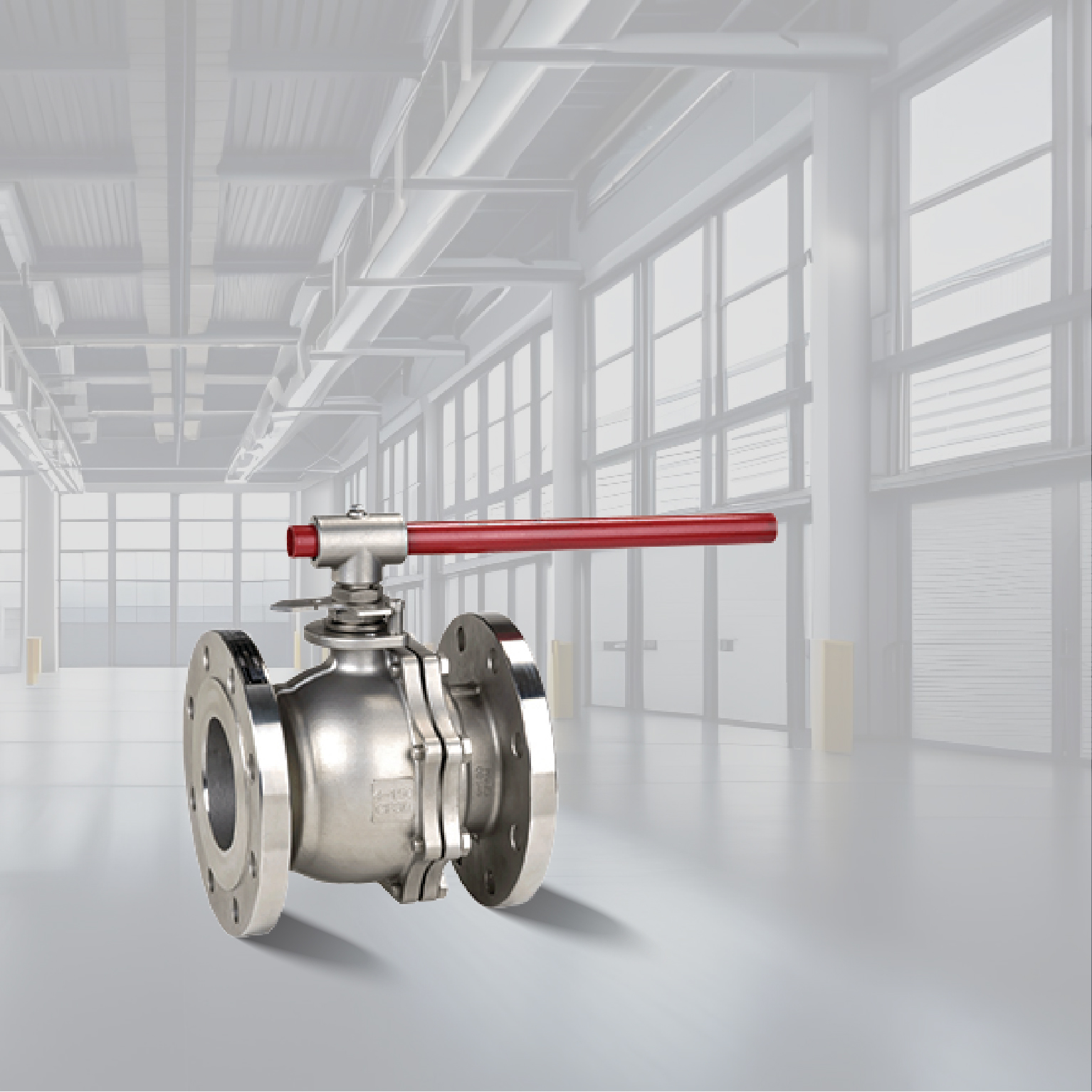
Threaded Valve for Water and Chemical Flow
Threaded valves are indispensable components in countless industrial and commercial applications, acting as precise gatekeepers for the flow of critical media. When dealing with water, whether for treatment, distribution, or general industrial use, and with chemicals, where safety and containment are paramount, the choice of valve is crucial. Trident Flow Controls provides robust and reliable threaded valve solutions designed to meet the stringent demands of these applications, ensuring efficient, safe, and controlled fluid management.
This article delves into the world of threaded valves specifically for water and chemical flow, exploring their importance, applications, key features, and how to select the right valve for your specific needs. We will also highlight the capabilities that Trident Flow Controls brings to this vital sector.
Understanding Threaded Valves in Flow Control
A threaded valve is characterized by its threaded connection, which allows for straightforward installation and removal from piping systems. This design simplifies maintenance and system modifications compared to flanged or welded connections. Within the broad category of industrial valves, threaded valves are particularly prevalent in smaller to medium pipe sizes, offering a balance of performance, cost-effectiveness, and ease of use.
For water and chemical applications, the material compatibility, sealing capabilities, and operational reliability of a threaded valve are paramount. These valves are engineered to withstand potentially corrosive substances, varying pressures, and temperature fluctuations, making them versatile tools for process control. Their ability to provide tight shut-off or modulated flow control is essential for maintaining process integrity and safety.
Diverse Applications of Threaded Valves
The versatility of threaded valves makes them suitable for a wide array of applications across numerous industries. Their role in controlling the flow of water and chemicals is particularly significant:
Water Treatment and Distribution
In water treatment plants, threaded valves are used for managing influent and effluent streams, controlling chemical dosing (like coagulants and disinfectants), and regulating flow within filtration and purification systems. Their corrosion resistance is vital when handling treatment chemicals.
Chemical Processing
The chemical industry relies heavily on valves that can safely handle a wide range of corrosive, volatile, or reactive media. Threaded valves, constructed from appropriate materials, provide reliable isolation and control for batch processing, transfer lines, and reactor systems.
Industrial Manufacturing
From process heating and cooling to fluid transfer and waste management, threaded valves play a role in many manufacturing environments. They are used in general utility lines, cleaning systems, and process loops.
Steam and Hot Water Systems
While requiring specific materials for high temperatures, threaded valves can be employed in steam and hot water distribution and control within industrial facilities, ensuring efficient heat transfer and system operation.
Oil and Gas Sector
In upstream, midstream, and downstream operations, threaded valves are used for control and isolation in various process lines, sampling points, and utility systems where their size and installation method are appropriate.
HVAC Systems
In large HVAC installations, particularly those involving chilled water or refrigerant lines, threaded valves are used for control, isolation, and balancing of flow.
Key Features and Practical Benefits
Selecting a threaded valve involves considering its specific features and the practical benefits they offer for water and chemical flow applications:
Features:
- Threaded Connections: Simplifies installation and maintenance, reducing labor and downtime.
- Durable Construction: Typically made from robust materials resistant to corrosion and wear for longevity.
- Variety of Sealing Options: Materials like PTFE or CFT seals offer excellent chemical resistance and tight shut-off capabilities at elevated temperatures.
- Actuation Options: Available in manual, pneumatic, or electric actuation for automated or remote control.
- Flow Control Capabilities: Can be designed for on/off service or proportional flow control.
- Pressure and Temperature Ratings: Engineered to handle specific working pressures and operating temperatures relevant to the application.
Benefits:
- Reliable Operation: Ensures consistent and predictable control of fluid flow, crucial for process stability.
- Enhanced Safety: Minimizes risks associated with leaks or uncontrolled releases of hazardous chemicals or water.
- Cost-Effectiveness: Often provides an economical solution for flow control in many applications, especially in smaller sizes.
- Ease of Integration: Straightforward installation allows for quicker system setup and easier modifications.
- Process Efficiency: Precise control contributes to optimized resource consumption and consistent product quality.
- Reduced Maintenance: Robust design and simple connections lead to lower upkeep requirements.
Choosing the Right Threaded Valve: A Buyer's Guide
Selecting the appropriate threaded valve for water and chemical flow requires careful consideration of several factors to ensure optimal performance, safety, and longevity. Ignoring these can lead to premature failure, process disruptions, and safety hazards.
Critical Selection Criteria:
- Media Compatibility: This is the most crucial factor. The valve material and seal material must be compatible with the specific water type (e.g., treated, wastewater, deionized) or chemical being handled to prevent corrosion, degradation, or contamination.
- Operating Pressure and Temperature: Ensure the valve's maximum working pressure and temperature ratings exceed the system's maximum operating conditions. Consider potential pressure surges or temperature spikes.
- Flow Rate and Control Requirements: Determine whether simple on/off control or modulated flow is needed. The valve's size and flow coefficient (Cv) should be matched to the required flow rate.
- Sealing Performance: For applications requiring containment or precise shut-off, look for valves with tight or bubble-tight shut-off capabilities. The seal material (e.g., PTFE, CFT) is key here.
- Actuation Type: Choose between manual, pneumatic, or electric actuation based on the need for automation, remote operation, or manual control.
- Connection Size and Type: Verify the threaded connection size (e.g., NPT, BSP) matches the existing or planned piping system.
- Environmental Conditions: Consider the external environment where the valve will be installed (e.g., corrosive atmospheres, extreme temperatures) and select a valve with appropriate protection.
Buyer Insight: Always consult chemical compatibility charts and system operating data. A valve that performs well with one chemical may degrade rapidly with another, even if they appear similar. Furthermore, consider the frequency of operation; high-cycle applications may benefit from more robust actuator designs.
Questions to Ask Before Buying:
- What is the exact composition of the fluid or gas being controlled?
- What are the minimum, maximum, and normal operating pressures and temperatures?
- What is the required flow rate, and does it need to be modulated?
- What level of shut-off (e.g., tight, bubble-tight) is necessary?
- What type of actuation is preferred or required for this application?
- Are there specific environmental considerations for the installation site?
- What are the long-term maintenance expectations and requirements?
Trident Flow Controls: Your Partner in Flow Management
Trident Flow Controls offers a range of high-quality valves designed for reliable performance in demanding applications, including those involving water and chemical flow. Their expertise spans various valve types, ensuring that clients receive solutions tailored to their specific process needs.
Featured Valve Capabilities:
Trident Flow Controls provides a 2/2 way pneumatic cylinder-operated angle type control valve (T-FLOW) that is particularly relevant for applications requiring robust control and tight shut-off. Key specifications include:
- Sizes: Available from 1/2" to 3" to accommodate a range of piping systems.
- Configurations: Offered in normally open (NO) or normally closed (NC) designs to suit safety and operational requirements.
- Pressure Handling: Capable of handling working pressures up to 10 Bar.
- Temperature Tolerance: Suitable for temperatures up to 180°C with PTFE seals and up to 220°C with CFT seals, making them ideal for hot water, steam, or certain chemical processes.
- Shut-off: Provides tight or bubble-tight shut-off, ensuring minimal leakage when closed.
In addition to specific valve products, Trident Flow Controls extends its capabilities to comprehensive project engineering, turnkey project execution, and automation design services. This holistic approach ensures that clients receive not just individual components, but integrated flow control solutions designed for maximum efficiency and reliability.
Their Y-type control valves and other specialized offerings, such as diaphragm and ball float valves, further complement their portfolio for diverse industrial fluid control needs across sectors like Chemicals, Water & Treatment Plants, and Oil & Gas.
Frequently Asked Questions
What makes a valve suitable for chemical flow?
A valve is suitable for chemical flow if its materials of construction, including the body, trim, and seals, are chemically resistant to the specific chemical being handled. Compatibility charts and testing are essential.
Can threaded valves be used for high-temperature applications?
Yes, many threaded valves can be designed for high-temperature applications. The selection of seal materials (like PTFE or CFT) and body materials is critical to ensure safe and reliable operation at elevated temperatures.
What is the difference between tight shut-off and bubble-tight shut-off?
Tight shut-off means minimal leakage is permitted, often within industry standards. Bubble-tight shut-off implies an even higher level of sealing, where virtually no leakage occurs, often tested with air or nitrogen bubbles.
How does pneumatic actuation work in a valve?
Pneumatic actuators use compressed air to move the valve to its open or closed position. They are often used for automated control and can provide quick and reliable operation, suitable for remote or hazardous environments.
Request Your Tailored Flow Control Solution
Ensure your water and chemical processes operate with the utmost reliability and safety. Contact Trident Flow Controls today to discuss your specific application requirements and explore our range of high-performance threaded valves and integrated flow control solutions. Our team is ready to help you select and implement the ideal system for your needs.
Get a Quote